
Written by Jay: I’ve spent 10+ years buying and removing vehicles NZ-wide, andd these days I’m based out of our Frankton yard with Car Wrecker Hamilton, covering Hamilton first, then Tauranga, Rotorua, and New Plymouth (plus the wider Waikato, Bay of Plenty, and Taranaki regions).
When a repair bill starts getting close to what the vehicle itself is worth, it is worth stopping and doing the maths before approving the work.
The question is not simply, “Can this be fixed?” Most vehicles can. The better question is, “Does fixing it still make sense?”
Why can car repairs become uneconomical so quickly?
| Repair | NZ cost guide |
|---|---|
| Minor dent or scratch work | Around $300 – $800 |
| Head gasket repair | Around $5,900 average |
| Major transmission repair | Around $9,600 average |
| Engine replacement | Roughly $4,500 – $10,000 |
These are only guides, the actual price depends on the vehicle, parts availability and the work required.
But they show the problem clearly. If an older car is worth $5,000 – $8,000, one major mechanical failure can cost almost as much as replacing the vehicle with another used one.
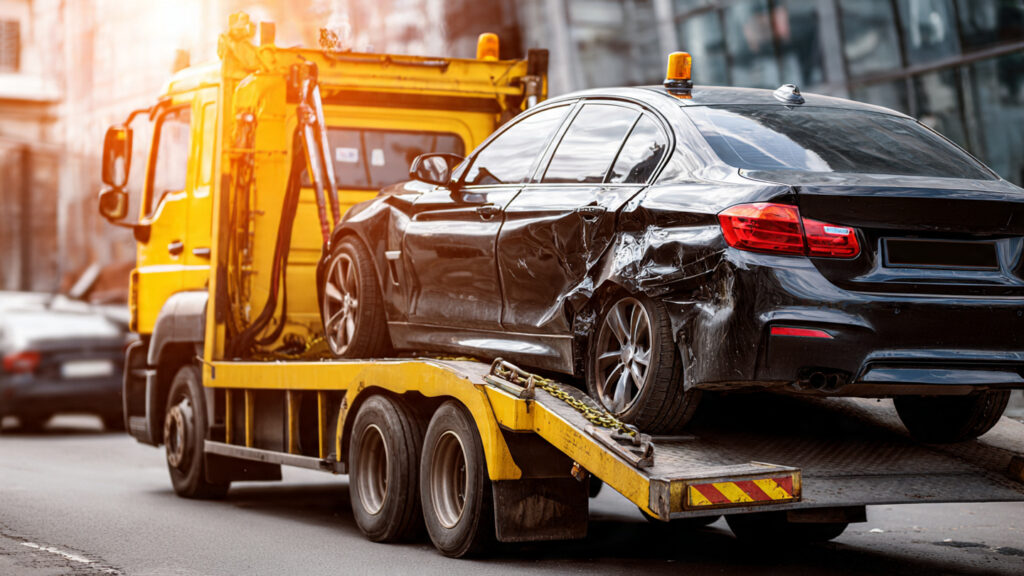
Even cosmetic damage can become difficult to justify. A few dents, scratches and damaged panels might individually seem minor, but repairing all of them properly can quickly run into thousands.
Sources: AA New Zealand repair-cost guidance, MyAutoShop NZ and NZ panel-repair pricing guides.
When is fixing the vehicle still worth considering?
- the vehicle is otherwise reliable and well maintained
- the body and structure are in good condition
- the repair fixes one isolated problem
- you know the vehicle's history
- replacing it would cost considerably more.
The maths becomes harder when a major repair is only one problem on a growing list.
For example, spending $3,000 on an otherwise tidy vehicle may be reasonable. Spending $5,000 when it also needs tyres, suspension work, rust repairs and another WoF soon may not be.
Ask the workshop what else they can see coming up, not just what needs fixing today.
What are your options if the vehicle is old, damaged, rusty or not running?
There is no single right answer. What makes sense depends on the condition of the vehicle and how much time and money you want to put into it. Your main options are:
Repair and keep it
Best suited to a vehicle that is fundamentally sound and still useful to you.
Use insurance where applicable
Sell it privately in its current condition
Ask about a trade-in
Get an as-is assessment from a specialist vehicle business
This can be useful when you do not want to fund the repairs first. Check out our specialist car buyers here.
Dispose of an end-of-life vehicle appropriately
What if the WoF or rego is no longer current?
A WoF confirms that the vehicle met required safety standards at the time of inspection. Vehicle licensing, commonly called rego, is the fee paid to use a registered vehicle on the road. Registration itself is a separate thing.
NZTA says that when a light vehicle changes hands, it would normally need a WoF issued less than one month earlier unless the buyer and seller agree otherwise. If it has no current WoF, that arrangement should be made clear and put in writing.
Both parties also need to notify NZTA when a vehicle changes hands. If the vehicle is no longer roadworthy and is being permanently taken off the road, different deregistration requirements may apply.
Do not assume an expired WoF, expired licence or cancelled registration are all the same thing.
What should you know before deciding what to do?
You do not need a perfect diagnosis, but having a few facts makes the decision much easier. Start with:
- roughly what the vehicle is worth in working condition
- the written repair quote
- whether it starts and drives
- current kilometres
- WoF and licence status
- visible rust or accident damage
- any other known mechanical problems
- whether you have the keys
- whether anything is still owing on finance.
Photos can also help when asking someone else to assess the condition. The aim is to compare the real vehicle you have today against the total cost of getting it back to the condition you need.
How do you decide whether to repair it or move on?
A simple comparison usually gives you the answer.
| Situation | What is worth considering |
|---|---|
| Small repair, otherwise reliable vehicle | Repairing it may make sense |
| One major fault but strong overall condition | Compare repair cost with replacement cost |
| Repair cost approaching the vehicle’s value | Get another quote and compare your alternatives |
| Multiple mechanical faults plus high kilometres | Consider whether further spending is worthwhile |
| Serious structural rust or accident damage | Get professional advice before putting more money into it |
| Vehicle no longer runs and has several existing issues | Look at alternatives before authorising a major repair |
There is no magic percentage where a vehicle suddenly becomes “not worth fixing”.
The useful question is whether the money you are about to spend leaves you with a vehicle that is safe, reliable and worth keeping or simply puts more money into a car that may need another expensive repair next.